
The custom manufacturing of industrial components. It requires materials that are both strong and functional. Therefore, materials like plastic and metal can be allies, working together or separately, allowing for the creation of durable, lightweight pieces tailored to each need.
An example of a combination of materials can be found in the inserts which allow reinforcing critical areas or adding mechanical functionality within plastic or metal parts, increasing their strength and versatility.
Next, we will discuss the use of both materials in industrial manufacturing and how it is. They take advantage of their properties in different types of components.
The importance of plastic and metal in industrial manufacturing
The use of plastic and metal in industrial manufacturing, it allows the development of parts with specific properties according to their function. While metal provides rigidity, wear resistance and load-bearing capacity, plastic offers design flexibility, lower weight, and corrosion resistance.
These characteristics make it possible to manufacture components tailored to very specific needs, optimizing equipment performance and reducing maintenance costs. The correct choice of material is key to guaranteeing this functionality, durability and efficiency in every industrial part, regardless of the sector it is intended for.
Advantages of plastic components in industrial equipment
The components of plastic. They have become a key option for industrial manufacturing thanks to their unique properties, which bring functionality and efficiency to equipment:
- Lightweight and easy to handle
Plastic is significantly lighter than metal, reducing the overall weight of the equipment. This makes transporting, installing, and maintaining parts easier, especially in large or hard-to-reach machinery.
- Resistance to corrosion and chemical agents
Unlike metal, many plastics do not rust or deteriorate when exposed to chemicals, moisture, or corrosive environments. This makes them ideal for applications in the food, chemical, or pharmaceutical industries, where durability and hygiene are essential.
- Design flexibility and versatility
Plastic allows the manufacture of parts with complex geometries and fine details that would be difficult or expensive to achieve with metal. This is especially useful for components with hollow shapes, internal channels, or custom designs according to the needs of each client.
You might be interested in Thermoforming vs. Rotational molding
- Reduction of production and maintenance costs
Producing plastic parts is usually cheaper than manufacturing equivalent metal parts, both in terms of raw materials and energy and processes. Furthermore, they require less maintenance, which reduces costs over the equipment’s lifespan.
- Properties ofisolation
Many plastics offer thermal and electrical insulation, protecting sensitive components in industrial machinery or electronic equipment, and enabling safe performance in critical environments.
- Adaptability to different sectors
Thanks to these advantages, plastic parts are used in multiple industries: from containers and tanks for the food sector, to components in medical machinery, agricultural or industrial, where lightness, precision and endurance to demanding environments.
You can’t miss the Custom made plastic agriculture tanks
Advantages of metal in industrial parts
Metal is fundamental in industrial manufacturing because of its mechanical strength and durability. Metal parts can withstand high loads, impacts, and extreme temperatures, making them ideal for structural machinery components or parts subject to constant wear. This ensures the stability and safety of equipment in demanding environments.
Another advantage of metal is its dimensional accuracy and consistency. Metal parts can be machined to tight tolerances, allowing for seamless assembly with other components, whether metal or plastic. This versatility is key to manufacturing hybrid equipment that leverages the properties of both materials.
Despite its advantages, metal is heavier and less flexible than plastic. Therefore, many industries opt for combine metal and plastic parts,obtaining components that add up to the lightness, design versatility and corrosion resistance of plastic with the robustness and durability of metal. This synergy is especially valuable in sectors such as food, agriculture, or industry, where each part must meet high standards of quality and functionality.
How custom industrial components are manufactured
The custom manufacturing of industrial components. It requires combining processes and materials according to the specific needs of each piece. Depending on the end use, the operating environment, and the required properties, the most suitable production method and material are selected, whether plastic, metal, or a combination of both. This approach ensures that each component meets the quality, durability, and functionality standards demanded by modern industrial equipment.
Most common manufacturing processes
There are several processes for manufacturing industrial parts, each with advantages depending on the material and design:
- Molding by injection (plastic):Ideal for producing high-precision parts in large quantities with complex geometries.
- Rotomoldeo (plastic):It allows the manufacture of hollow, resistant and customized parts, adapted to the needs of each client
- Machining (metal and plastic):It provides high precision and a fine finish, useful for structural parts or hybrid components.
- Metal casting and stamping:Suitable for tough metal parts with complex shapes and high durability.
Materials and selection according to need
The choice of materials is key in custom manufacturing high-performance plastics. They allow for lightweight, corrosion-resistant parts with complex geometries, while the metals. They provide rigidity, durability, and structural support.
Get to know the types of plastic resins
In many cases, the combination of both materials allows for the creation of hybrid components optimizing weight, strength, and functionality. Furthermore, the selection adapts to the specific industrial sectors, considering factors such as operating temperature, chemical exposure, mechanical load and hygiene or safety requirements.
Rotational molding: a key technique for plastic parts
Rotomolding is a manufacturing process for plastic parts that allows for obtaining hollow, uniform components with complex shapes. Unlike other molding methods, such as injection or blow molding, this technique is ideal for custom productions and difficult geometries adapting each piece to the specific requirements of industrial equipment.
Among its main advantages are the lightness of the components, the resistance to corrosion and wear and the ability to produce parts without joints or weak points. Furthermore, its flexibility in materials and thicknesses. It facilitates the creation of solutions adapted to different environments, optimizing the efficiency and durability of the equipment.
Sectors in which we specialize at ABC Rotomolding
ABC Rotomolding’s rotomolding is applied in various industrial sectors, offering customized solutions according to the needs of each client:
- Automotive and aeronautics:Lightweight tanks, casings and ducts that optimize weight and performance.
- Industry, defense, naval and energy: durable components capable of withstanding high loads and demanding conditions.
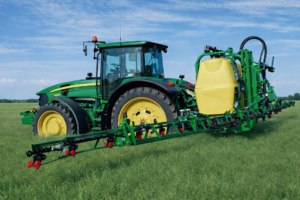
- Agriculture and livestock: tanks and containers resistant to corrosion and wear.
- Logistics, health and food: pieces that guarantee hygiene, ease of cleaning and lightness.
- Civil construction: structural components that combine durability and safety.
Thanks to the versatility of rotomolding, each sector obtains. Specific solutions that maximize functionality and efficiency of their teams.
ABC Rotomolding: experts in rotomolding of plastic parts
In ABC Rotomoldeo We specialize in manufacturingplastic parts by rotomoldingTailored to each industrial need. Our experience allows us to produce hollow, strong, and customized components, optimizing geometries and materials according to each client’s requirements.
Our approach guarantees durability, precision and strength. Combining design and functionality to improve equipment performance, reduce maintenance, and ensure long-term efficiency.
ABC Rotomolding is a leader in the manufacture of custom-made plastic components in large industrial runs adapting each piece exactly to its function and environment of use.
If you want to know how we can produce your parts on a large scale, contact our experts and find the most suitable industrial solution for your project.